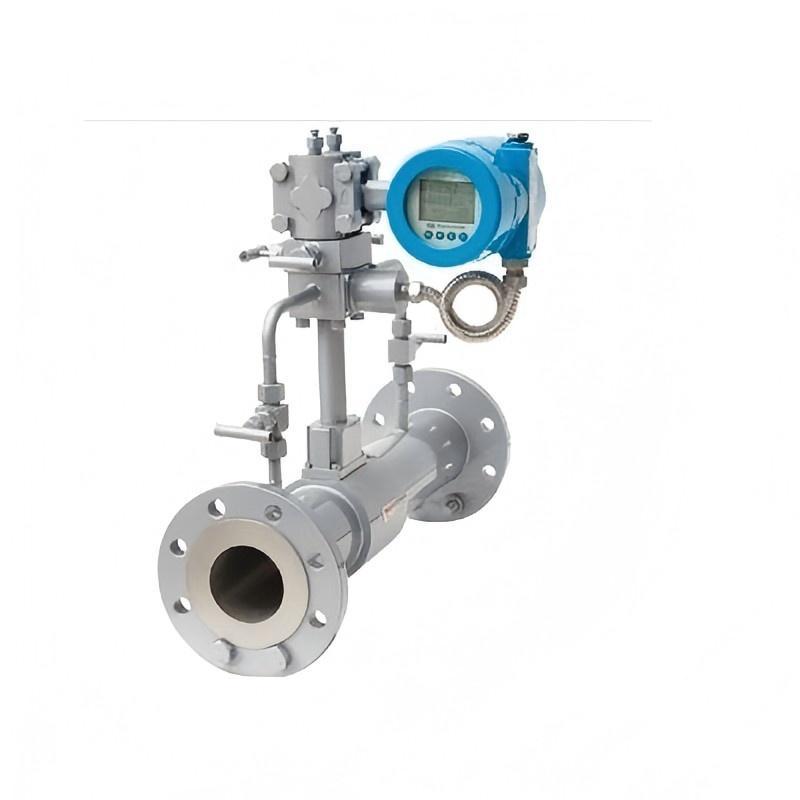
Wedge Flowmeter
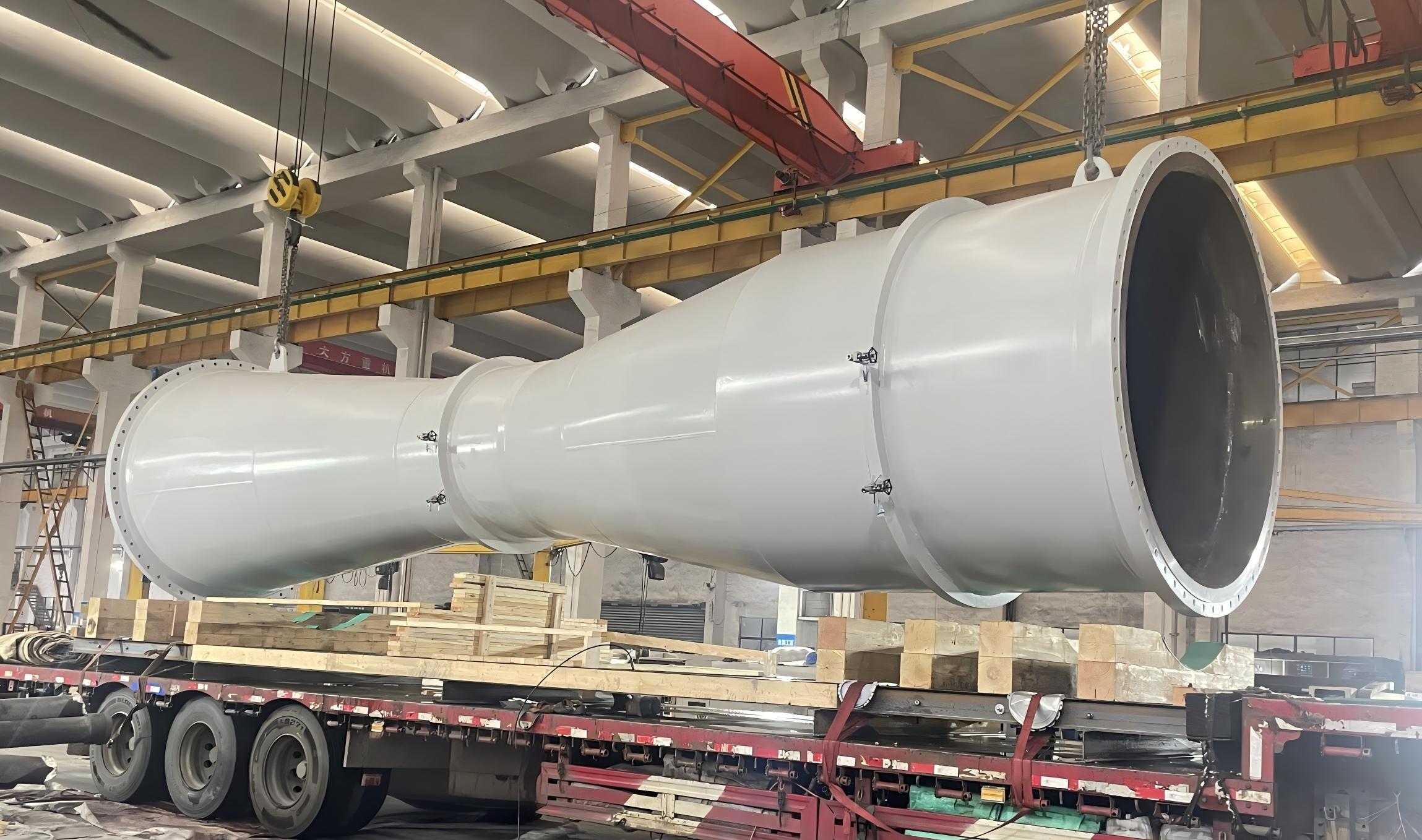
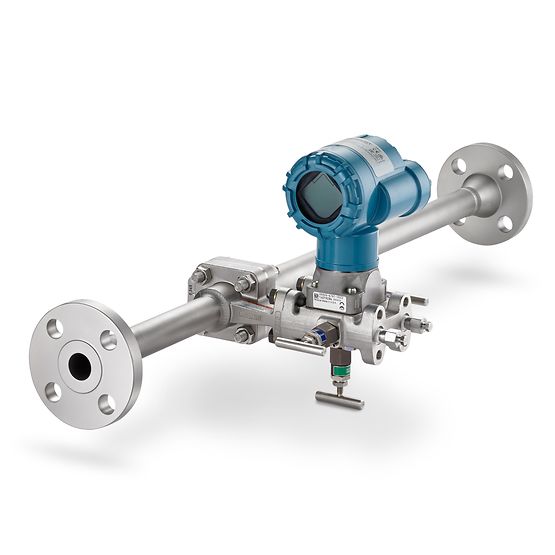
Wedgeflowmeter is a new type of throttling differential pressure flow measurement instrument, which can perform high-precision flow measurement for high-viscosity, low-Reynolds number (Reynolds number as low as 500) fluids, and has unparalleled advantages and irreplaceable functions in low flow velocity, small flow rate, and large pipe diameter flow measurement applications. Wedge flowmeters are mainly used for flow measurement of high-viscosity heavy oil, residual oil, diesel, engine oil, industrial gas, coke oven gas, blast furnace gas, producer gas, liquefied natural gas, hydrogen, nitrogen, air, steam, sewage, and other media. This type of flowmeter has a simple structure, no moving parts, is not easily worn by fluids, has stable and reliable working performance, and a long service life. Its measuring element and pressure tapping device have a special structure that prevents fluid stagnation and clogging, resulting in low pressure loss, making it an ideal choice for high-precision flow measurement at low Reynolds numbers.
Main Features
1 Good repeatability and high accuracy. Calibrated wedge flowmeters achieve an accuracy of ±0.5%.
2 Self-cleaning capability, no stagnant flow zones.
3 Wear-resistant, long lifespan, high reliability.
4 Low permanent pressure loss.
5 Integrated structure, no need to install impulse lines for on-site installation; directly connected to pipelines via threaded or flanged connections. Saves time and effort during construction, and facilitates maintenance.
Other Features:
1) Suitable for measuring mud, coal tar, asphalt, coal-water slurry, and other high-viscosity fluids;
2) Even at very low pipe Reynolds numbers (as low as Re=500), the square root relationship between flow rate and differential pressure can still be maintained;
3) Wedge flowmeters calibrated by our company have high measurement accuracy (up to ±0.5%), and uncalibrated wedge flowmeters can also achieve an accuracy of about ±1%;
4) Simple structure, convenient installation, use, and maintenance;
5) Capable of measuring corrosive media. Since differential pressure measurement uses a diaphragm-type dual-flange differential pressure transmitter, corrosive media cannot enter the impulse lines and differential pressure transmitter. Therefore, as long as the wedge throttling element is made of corrosion-resistant material, the instrument can measure corrosive media.